
Introduction to Black Sand Beaches
Black sand beaches, a striking and often mesmerizing natural phenomenon, are formed primarily through volcanic activity and the erosion of basalt and other dark volcanic rocks. Unlike the more commonly found white sand beaches, which are typically composed of limestone and coral materials, black sand beaches offer a different visual and experiential landscape that draws the attention of both geologists and travelers alike. Nurtured by the powerful forces of nature, these unique coastlines serve as a testament to the dynamic geological history of the Earth.
The formation of black sand begins with volcanic eruptions, contributing ash, fragments of hardened lava, and various minerals to the surrounding environment. Over time, waves and weathering work to erode these materials and break them down into fine particles, resulting in the striking black sand that defines these beaches. This distinctive coloration is a direct result of the mineral composition present in the volcanic material, showcasing shades that can range from deep ebony to soft charcoal hues. The presence of black sand beaches often signals an exciting geological history, making them significant locales for scientific study and exploration.
In addition to their geological importance, black sand beaches have become increasingly popular among tourists seeking a unique beach experience. Visitors are often captivated by the dramatic contrast between the dark sands and the vibrant blue waters of the Caribbean Sea. These beaches offer not just aesthetic beauty but also provide recreational opportunities, such as swimming, snorkeling, and sunbathing, with a backdrop unlike any other. Consequently, black sand beaches are more than just a beautiful destination; they are symbols of the Earth’s geological processes and serve as a reminder of the ever-changing nature of our planet.
The Geology Behind Black Sand
Black sand beaches are a striking feature of the Caribbean landscape, distinguished by their dark hues which result from specific geological processes. The primary component of black sand is often basalt, a volcanic rock that forms when lava cools and solidifies rapidly upon contact with water. This volcanic activity is a critical aspect of how these beaches are formed, and the presence of black sand is frequently an indicator of geological youth, as newer volcanic islands exhibit more vibrant black sand deposits.
Different types of volcanoes contribute to the formation of black sand. Shield volcanoes, characterized by their broad, gentle slopes, typically produce eruptions that result in low-viscosity lava flows. As this lava cools, it shatters into small fragments, resulting in the formation of black sand over time. Conversely, stratovolcanoes, which are more explosive in nature, can also produce black sand through the ejection of volcanic ash and pumice, which eventually weathers into smaller particles that become part of the beach composition.
As these processes unfold over the geological tableau, black sand beaches emerge as significant sites for study and appreciation. Renowned examples such as Punaluʻu Beach in Hawaii and Playa Jardín in Tenerife demonstrate the diversity of black sand beaches present around the globe. Each beach tells a story shaped by its unique volcanic origins, serving as a testament to the natural forces that have sculpted these landscapes over millennia. Understanding the geology behind black sand not only enhances our appreciation for these natural wonders but also informs us about the dynamic processes that continue to shape our planet.
Top Black Sand Beaches in the Caribbean
The Caribbean is renowned for its stunning beaches, and among them, the black sand beaches stand out due to their unique beauty and geological significance. Here, we present a curated list of some of the most striking black sand beaches across the Caribbean, each offering a distinctive experience for visitors.
First on our list is the Black Sand Beach in St. Lucia, located near the village of Soufrière. This beach is notable for its magnificent backdrop of the Pitons, a UNESCO World Heritage Site. The black sands, formed from volcanic activity, provide a stunning contrast to the lush green tropical landscape. Accessible via local roads, this beach is a popular spot for swimming and sunbathing, making it a must-visit for any traveler to the island.
Next is Anse Chastanet, another breathtaking black sand beach situated in St. Lucia, close to the community of Soufrière. Anse Chastanet is famous for its coral reefs, attracting snorkelers and divers from around the world. The soft, black sand combined with clear blue waters offers a relaxed atmosphere for those looking to escape the bustling tourist spots. Amenities, such as beach lounges and beachside dining, enhance the visitor experience.
In Grenada, Prospect Beach is a hidden gem that boasts a serene environment and stunning vistas. Its black sand is a result of volcanic activity, much like its counterparts in St. Lucia. Prospect Beach is less crowded than many popular tourist beaches, offering a peaceful retreat to enjoy nature. Visitors can access this beach easily, either by taxi or rental car, which makes it a convenient stop while exploring the island.
Each of these black sand beaches in the Caribbean not only offers unique natural beauty but also showcases the region’s volcanic heritage. These locations are ideal for experiencing the allure of the Caribbean in a setting that beautifully contrasts typical white sand beaches.
Activities and Attractions
The Caribbean is renowned not only for its azure waters and palm-fringed shores but also for its unique black sand beaches. These stunning beaches are formed from volcanic activity, offering a contrast that draws visitors from all around the globe. One of the most popular activities at these black sand beaches is swimming, where the darker sand absorbs the sun’s heat, making the beach an inviting place to relax. Beaches like Punalu’u Beach in Hawaii allow for a refreshing dip in warm waters while basking in the picturesque surroundings.
Snorkeling is another exhilarating activity available at various black sand beaches. The dark sands often signify volcanic reefs that host diverse marine life. For example, at the black sand beaches of St. Lucia, snorkeling opportunities abound, revealing vibrant coral formations and schools of colorful fish that can be enjoyed with minimal travel. Visitors are advised to explore guided snorkeling tours for safety and a richer understanding of the underwater ecosystem.
Surfing enthusiasts will also find their haven at these exotic spots. Beaches such as Dominica’s Batibou Beach not only provide beautiful black sands but also reliable waves that cater to different skill levels, making it an ideal location for both novice and experienced surfers. Additionally, hiking trails near these beaches offer a chance to admire panoramic views and discover local flora and fauna. Trails around the black sand beaches of Martinique, for instance, lead adventurers through lush landscapes teeming with wildlife.
Beyond the immediate allure of the beach activities, visitors can explore local tours that offer insights into the culture and history intertwined with these natural wonders. Nearby restaurants boast local culinary delights featuring fresh seafood, providing an opportunity to indulge in the vibrant flavors of the Caribbean. Cultural sites and local festivals related to the heritage of the area also enhance the overall experience, making visits to black sand beaches both memorable and enriching.
Ecological and Environmental Importance
Black sand beaches are not merely fascinating natural formations; they play a vital role in supporting unique ecosystems and promoting biodiversity. Formed from volcanic activity, these beaches create an environment rich in minerals and nutrients, fostering exceptional plant and animal life that might not thrive in areas with conventional sandy beaches. The dark color of the sand absorbs heat, which can create warmer microhabitats conducive to specific species, both flora and fauna.
The biodiversity found on these beaches is remarkable. Many black sand beaches host various endemic plants that have adapted to the unique conditions associated with their volcanic origins. Among the flora, you may find salt-tolerant species that further stabilize the sandy substrate. Additionally, these coastal areas serve as nesting grounds for sea turtles and support various bird species that rely on the nearby marine ecosystems. The dynamic interactions between the terrestrial and marine environments contribute to a balanced ecosystem that plays a crucial role in coastal protection by taming wave energy and reducing erosion.
However, despite their ecological importance, black sand beaches face numerous environmental threats. Human activities such as unauthorized development, pollution, and unsustainable tourism practices can significantly disrupt these ecosystems. Oil spills, plastic waste, and runoff from agriculture can degrade the quality of both sand and water, posing severe threats to the delicate organisms that inhabit these regions. Conservation efforts, such as protecting these unique ecosystems through sustainable practices and educational initiatives, are essential to preserving the ecological integrity of black sand beaches.
As our understanding of their ecological significance grows, it becomes increasingly important to advocate for the protection and preservation of these beautiful coastlines, ensuring that they continue to thrive for generations to come.
Cultural Significance of Black Sand Beaches
Black sand beaches, a unique geographical feature predominantly found in volcanic regions of the Caribbean, hold significant cultural importance for the communities that inhabit these areas. The rich history intertwined with these beaches reflects the diverse narratives of local populations, including indigenous peoples and contemporary tourists. For many Caribbean communities, black sand beaches are more than just picturesque vistas; they are sacred sites steeped in tradition and lore.
Indigenous populations often view these beaches as places of spiritual significance, where legends and mythologies have evolved over centuries. For instance, certain black sand beaches are believed to be the remnants of struggles between earth and sea deities, creating stories that have been passed down through generations. These narratives contribute to a strong sense of identity and belonging among the local people, reinforcing their cultural heritage. The natural beauty of these shores effectively embodies the spirit and resilience of the communities that live alongside them.
In contemporary society, black sand beaches serve a dual purpose. While they are preserved as vital cultural landmarks, they also attract tourism, generating economic opportunities for local inhabitants. Efforts to promote eco-tourism have fostered educational initiatives, allowing visitors to appreciate the historical context behind these unique environments. Local artisans often showcase their crafts in close proximity to these beaches, merging commerce with culture. This symbiotic relationship between tradition and modernity highlights the ongoing significance of black sand beaches in shaping the identity of Caribbean communities.
The allure of these natural wonders continues to influence various aspects of cultural expression, from festivals celebrating indigenous heritage to artistic representations that draw inspiration from the stunning landscapes. The black sand beaches of the Caribbean encapsulate a blend of history, mythology, and contemporary life, ultimately contributing to the rich tapestry of local cultures.
Travel Tips for Visiting Black Sand Beaches
Exploring black sand beaches in the Caribbean can provide visitors with a unique and captivating experience. To make the most of your visit, implementing practical travel tips is essential. Firstly, choosing the best time to visit is crucial; the Caribbean generally enjoys warm weather year-round, but it’s advisable to go during the dry season, which typically runs from December to April. This ensures pleasant weather and minimizes the risk of encountering heavy rainfall, allowing you to fully appreciate the stunning landscapes.
When planning your excursion to these scenic locales, consider the necessary equipment to enhance your comfort and enjoyment. The distinct texture of black sand can be quite different from traditional beaches, often getting hotter under the sun. Appropriate footwear, such as sandals or water shoes, will protect your feet from the heat and sharp objects that may be hidden in the sand. Moreover, ample sun protection is vital; high-SPF sunscreen, broad-brimmed hats, and UV-protective clothing will help safeguard your skin from the strong Caribbean sun.
Safety precautions should not be overlooked while visiting black sand beaches. Always swim in designated areas and remain aware of tidal patterns and currents, as these can vary significantly. It is essential to stay hydrated, especially under the sun, and be mindful of the local wildlife. Additionally, respecting the culture and customs of nearby communities is vital. Engage with local vendors and residents in a respectful manner and observe any posted guidelines that protect the area’s natural beauty.
For families or individuals with mobility concerns, researching accessibility options is advised. Some black sand beaches may have facilities such as boardwalks or paths to aid movement. Consider renting mobility devices if necessary for a more comfortable visit. Overall, these tips will help ensure a memorable and enjoyable exploration of the Caribbean’s captivating black sand beaches.
Personal Experience: Reflection on Visiting a Black Sand Beach
During my recent trip to the Caribbean, I had the incredible opportunity to visit a stunning black sand beach. The moment I stepped onto the unique shoreline, I felt an overwhelming sense of connection with nature. The contrast between the deep black sand and the vibrant turquoise water was nothing short of mesmerizing. As I walked along the beach, each step sank into the soft grains, which were warm from the sun. I could feel the silky texture beneath my feet, and it brought a certain tranquility that is absent from typical white sand beaches.
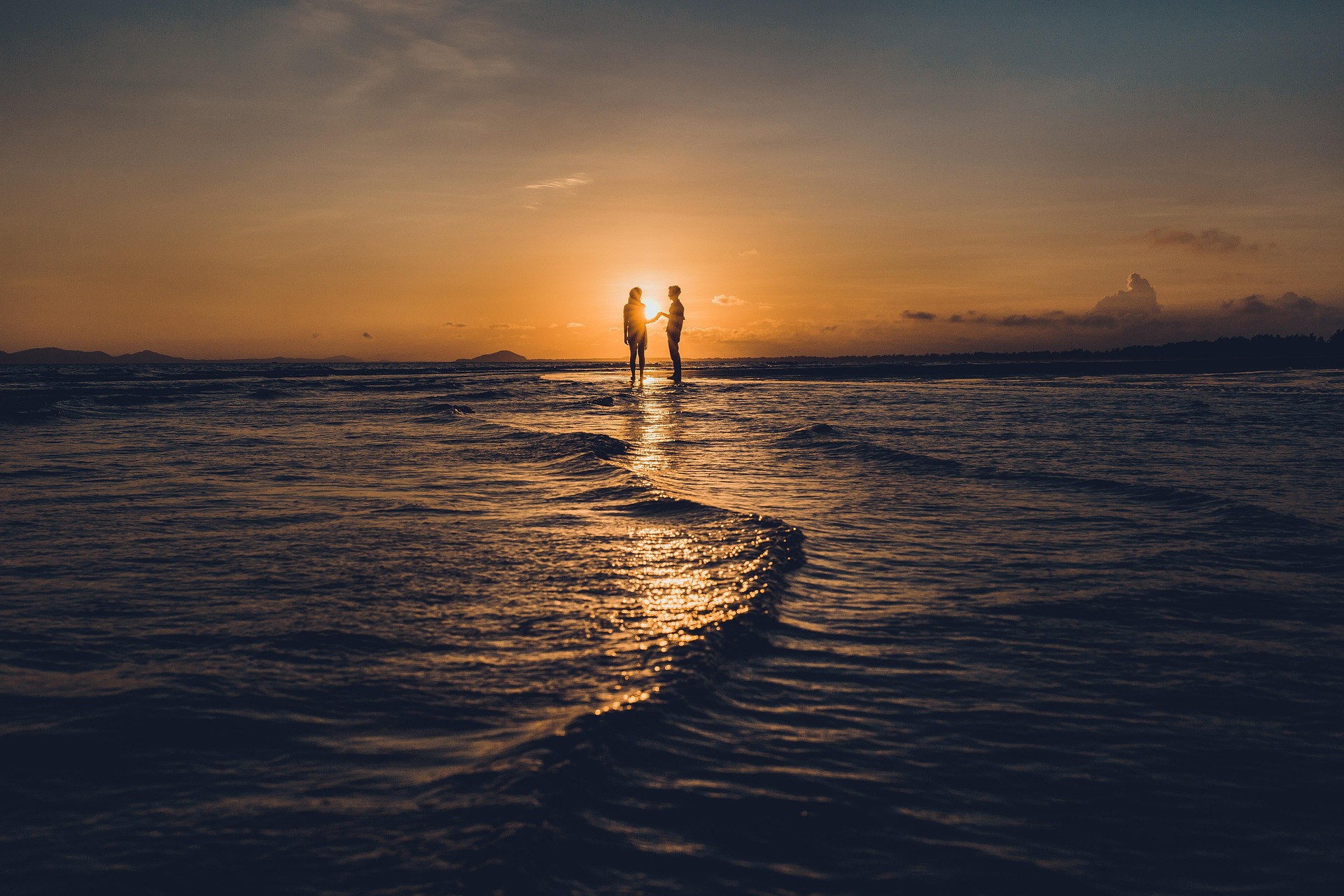
The atmosphere was serene, punctuated only by the gentle lapping of waves against the shore and a distant rustle of palm trees swaying in the warm breeze. As I set my eyes on the horizon, there was something strikingly beautiful about the way the sun illuminated the black sand, creating iridescent glimmers that made the landscape appear almost otherworldly. It was a visual feast, and each moment felt like a captured frame in an artist’s painting—vivid and lively yet tranquil.
What made my visit even more memorable were the encounters with local wildlife. I was fortunate enough to see several vibrant crab species scuttling across the beach, adding bursts of color to the dark canvas of sand. Observing their movements provided a sense of harmony that complemented the natural beauty around me. The experience of the black sand beach was not merely about scenery; it was a journey that resonated deeply within me.
In reflecting on my time at the black sand beach, I realized that it offered a unique perspective on the Caribbean that many travelers overlook. Its raw beauty invites exploration and introspection, urging visitors to appreciate the diverse landscapes that abound in this region. I encourage others to seek out these hidden gems; the experiences found on a black sand beach are something truly special worth exploring.
Conclusion: The Allure of Black Sand Beaches
The charm of black sand beaches in the Caribbean lies in their distinctiveness and natural beauty, setting them apart from the more common white sand shores. These beaches, formed from volcanic activity, offer a striking visual contrast against the turquoise waters of the Caribbean Sea, creating an impressive backdrop for relaxation and exploration. Each black sand beach has its unique characteristics, reflecting the local geology and providing visitors with a diverse range of natural experiences.
Exploring these unique beaches can lead to encounters with vibrant local ecosystems and opportunities for various recreational activities. From snorkeling in crystal-clear waters to exploring volcanic landscapes, the allure of black sand beaches extends beyond their aesthetic appeal. The rich cultural context surrounding each beach often enhances the experience, providing insights into local traditions, folklore, and the communities that inhabit these picturesque regions. Visitors can immerse themselves in the tranquility offered by these locations, creating lasting memories that are as profound as the contrasting landscape itself.
Moreover, the allure of black sand beaches extends beyond mere appearance; they often feature unique geological and ecological attributes. The dark sands tend to retain warmth and provide a distinct ambiance that many travelers find invigorating. Whether it is the sound of waves crashing against the shoreline or the rustle of palm trees swaying in the breeze, these beaches promote a sense of peace and a connection to nature that is both rare and exceptional.
In conclusion, black sand beaches in the Caribbean represent a captivating blend of beauty, adventure, and cultural richness. For those planning their next travel itinerary, considering the exploration of these extraordinary destinations enhances the experience of the Caribbean region. These beaches are truly an invitation to discover the extraordinary beauty of nature woven into the fabric of travel experiences.
No responses yet