
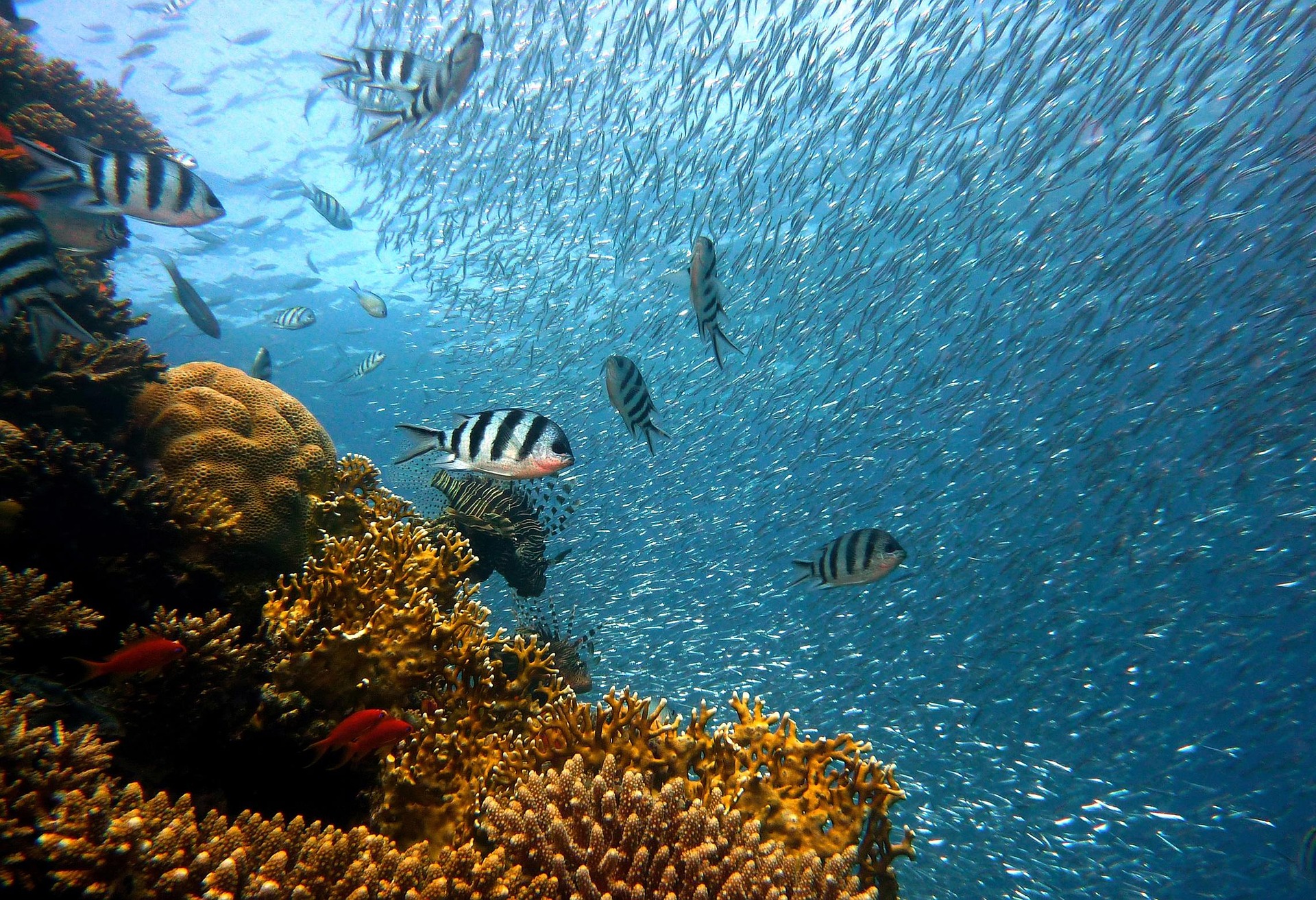
Introduction to Coral Reefs and Their Importance
Coral reefs, often referred to as the rainforests of the sea, are incredibly diverse ecosystems found in tropical and subtropical waters worldwide. They are formed by coral polyps, which are small, soft-bodied organisms that secrete calcium carbonate to create hard, protective structures. These reefs play a vital role in maintaining ecological balance by providing habitat, food, and shelter for a myriad of marine species. In fact, it is estimated that coral reefs support approximately 25% of all marine life, despite covering only about 1% of the ocean floor.
The biodiversity found within coral reef ecosystems is astonishing. They host a wide variety of species, including fish, mollusks, crustaceans, and sea turtles, many of which rely on these reefs for their survival. The symbiotic relationships between corals and algae, known as zooxanthellae, are particularly crucial, as they enable corals to obtain energy through photosynthesis, thus sustaining the entire ecosystem. This intricate web of life contributes not only to marine habitats but also to the overall health of oceanic environments.
For snorkelers, coral reefs represent an unparalleled attraction due to their vibrant colors and remarkable marine life. The experience of swimming among schools of colorful fish, intricate coral formations, and dynamic underwater landscapes offers a unique opportunity to connect with nature. Observing these stunning coral reefs in their natural environment enhances the snorkeler’s appreciation for marine biodiversity and highlights the need for their conservation. As climate change and human activities pose threats to these ecosystems, promoting awareness about the significance of coral reefs is imperative. Thus, snorkelers not only enjoy their beauty but also play a role in advocating for their protection.
What to Expect When Snorkeling at Coral Reef Beaches
Snorkeling at coral reef beaches offers a breathtaking experience for nature enthusiasts. As you glide through the clear turquoise waters, you will observe a vibrant underwater world teeming with life. To begin your snorkeling adventure, acquiring the appropriate gear is essential. A well-fitted mask and snorkel are critical for clear visibility and comfort. Fins can enhance your propulsion, allowing you to navigate the currents with ease. It is advisable to test your equipment before heading into deep waters to ensure a secure fit and proper function.
As you explore the ocean depths, look for the vibrant colors of coral formations and the diverse marine life that inhabit them. Common sightings include tropical fish, sea turtles, and the intriguing formations of coral species. However, novices should be cautious and maintain a respectful distance from the coral to avoid damaging these sensitive ecosystems. Additionally, it is crucial to stay aware of your surroundings; currents can change unexpectedly, and it is best to snorkel with a buddy or under the supervision of experienced guides.
Safety is paramount while snorkeling. Always wear a life vest if you are a beginner or lack confidence in open water. Check the local forecasts for weather conditions before you embark on your snorkeling journey. Another essential aspect is to practice environmental ethics; avoid touching or stepping on corals, as this can harm their delicate structures. Moreover, refrain from collecting marine life or coral fragments, as they play an integral role in the ecosystem. By being mindful of your impact, you contribute to maintaining the beauty and health of coral reefs for future generations to enjoy.
Top Caribbean Destinations for Snorkeling Coral Reefs
The Caribbean is a paradise for snorkeling enthusiasts, offering a plethora of stunning destinations known for their vibrant coral reefs. Below, we highlight ten of the best locations renowned for exceptional snorkeling experiences, diversifying opportunities for all skill levels.
First on the list is Grand Cayman. The island’s famous Stingray City allows snorkelers to interact safely with majestic stingrays in clear, shallow waters. The surrounding reefs boast a variety of colorful fish and diverse marine life, making it a must-visit destination.
Belize, home to the world’s second-largest barrier reef, is another top choice. The Blue Hole, a UNESCO World Heritage site, offers unique underwater geological formations, while Half Moon Caye provides access to unspoiled coral gardens teeming with life.
Moving on, St. John in the U.S. Virgin Islands is often praised for its protected waters. The Virgin Islands National Park features numerous snorkeling spots, including Trunk Bay, known for its underwater snorkeling trail and stunning views.
Cozumel, located off the coast of Mexico’s Yucatán Peninsula, is famous for its crystal-clear waters and expansive coral reefs. The Palancar Reef is particularly noted for vibrant coral formations and abundant fish species.
Antigua also deserves mention due to its seventy-two beaches and surrounding waters. The coral reefs near Cades Reef offer excellent snorkeling opportunities and worth exploring during a visit.
Honduras offers both the Bay Islands and Coxen Hole, which are known for their clear waters and rich marine biodiversity. The vibrant coral ecosystems here make for a captivating snorkeling adventure.
The British Virgin Islands bring forth sites like the Baths in Virgin Gorda, where snorkelers can explore unique rock formations and diverse marine life.
Jamaica showcases the marine park at Montego Bay, where visitors can observe an array of colorful fish and flourishing coral species in a protected environment.
Lastly, Turks and Caicos stands out for its idyllic settings. The coral reefs at Grace Bay are known for their tranquil conditions, making them suitable for snorkelers of all levels.
Each of these destinations offers distinct advantages for snorkelers, ensuring that there is something for everyone. Whether it’s swimming with stingrays in Grand Cayman or exploring the underwater wonders of Belize, the Caribbean provides unmatched snorkeling experiences amidst stunning coral reefs.
Detailed Profiles of Must-Visit Coral Reef Beaches
When it comes to exploring vibrant marine life, the Caribbean offers a myriad of exceptional beaches renowned for their stunning coral reefs. Here we delve into five must-visit destinations, providing detailed insights for snorkeling enthusiasts looking to experience the unparalleled underwater beauty.
1. Cane Bay, St. Croix, U.S. Virgin Islands: Located on the north shore of St. Croix, Cane Bay is a prime snorkeling location accessible from the beach. The best time to visit is during the dry season from December to April, when visibility is optimal. Snorkelers will encounter a diverse marine ecosystem, including colorful parrotfish, sea turtles, and the occasional nurse shark. The reef is just a short swim from shore, making it a favorite for both novice and experienced snorkelers.
2. Trunk Bay, St. John, U.S. Virgin Islands: Renowned for its underwater snorkeling trail, Trunk Bay features lush coral formations and vibrant marine species. The picturesque beach, best visited between December and May, provides ideal snorkeling conditions with clear waters and abundant sea life. Visitors may spot rays, angelfish, and various species of coral. Facilities such as restrooms and showers make it a comfortable spot for a full day of adventure.
3. Hol Chan Marine Reserve, Belize: Situated near the popular Ambergris Caye, Hol Chan is a protected marine sanctuary. The ideal time to explore the waters is during the dry season from April to June. Snorkelers may observe remarkable biodiversity, including manatees, sea turtles, and schools of tropical fish. Guided tours are available to enhance the experience and increase spotting chances of larger species such as the thrilling barracuda.
4. The Baths, Virgin Gorda, British Virgin Islands: Famous for its unique geological formations, the Baths features enchanting coves and clear waters, perfect for snorkeling. Late spring and early summer provide the best weather for visitors. Snorkelers can expect to see a plethora of marine life, including snoozing sea turtles and vibrant coral gardens, offering an unforgettable experience beneath the waves.
5. Eagle Beach, Aruba: Eagle Beach stands out not just for its soft sands but also for the exceptional snorkeling nearby. The best time to visit is in the dry months of January through March. Snorkel off the beach or take a short boat trip to explore surrounding reefs teeming with fish, rays, and vibrant coral. The warm water and variety of marine life make it a fantastic site for both leisurely snorkeling and exploration.
Each of these locations showcases the breathtaking coral reefs of the Caribbean, offering an enriching snorkeling experience. From beginner-friendly beaches to those attracting seasoned adventurers, these must-visit beaches are truly a snorkeler’s paradise.
Marine Life to Discover While Snorkeling
Exploring the vibrant underwater worlds of Caribbean coral reefs reveals an astonishing array of marine life that captivates snorkelers. The coral reefs are home to a diverse ecosystem, teeming with colorful fish, intricate corals, and various other marine animals, all of which contribute to the richness of this underwater paradise.
One of the most enchanting features of these coral reefs is the array of fish species. Parrotfish, with their brilliant hues and distinctive beak-like mouths, are common sights. They play a vital role in maintaining the health of coral reefs by feeding on algae and dead coral, which helps promote coral growth. Additionally, the Blue Tang, recognized by its striking blue color and yellow tail, can be frequently observed darting among the corals. These fish not only add vibrant colors but also serve crucial ecological functions within their habitat.
Coral itself, often referred to as the “rainforest of the sea,” forms the backbone of the reef ecosystem. Varieties such as brain coral and staghorn coral create essential structures that support countless marine species. The symbiotic relationship between corals and zooxanthellae—microscopic algae that live within coral tissues—helps fuel the growth of these ecosystems through photosynthesis. Observing these interdependencies enhances one’s understanding of the delicate balance necessary for the health of coral reefs.
Moreover, snorkelers may encounter a plethora of other marine animals, including sea turtles gliding gracefully through the water, starfish resting on the seabed, and the elusive sea horse blending seamlessly with seagrass. Each species not only provides visual delight but also plays a specific role in the marine ecosystem. The encounters with such diverse marine life can deepen one’s appreciation for the natural wonders lurking beneath the waves, making snorkeling in the Caribbean an unforgettable experience.
Environmental Challenges Facing Coral Reefs
Coral reefs, often referred to as the “rainforests of the sea,” are facing unprecedented environmental challenges that threaten their survival and the biodiversity they support. One of the most pressing issues is climate change, which leads to rising ocean temperatures. When sea temperatures increase significantly, corals undergo a process known as coral bleaching, which diminishes their color and leads to a stark reduction in their health. Bleached corals lose the symbiotic algae that provide them with nutrients, making it difficult for them to survive in their ecosystems.
Another critical challenge is ocean acidification, a direct consequence of increased carbon dioxide emissions. As CO2 levels rise, the ocean absorbs a portion of this gas, resulting in chemical reactions that lower the pH levels of seawater. This shift in acidity impairs the ability of coral polyps to extract calcium carbonate to build their skeletons, essential for growth and structural integrity. Thus, ocean acidification poses a significant threat to the resilience and longevity of coral reefs.
Moreover, pollution from land-based activities, such as agricultural runoff, plastic waste, and sewage discharge, also heavily impacts coral health. Nutrient-rich runoff can lead to algal blooms, which compete with corals for space and essential resources, further exacerbating the stress on these fragile ecosystems. It is imperative that both individuals and local communities recognize the significance of these environmental challenges while engaging in snorkeling activities. Promoting sustainable practices, minimizing pollution, and advocating for climate change mitigation are essential steps toward preserving coral reefs for future generations.
The fate of coral reefs lies not only in the hands of policymakers and conservationists, but also in the daily choices made by snorkelers and beachgoers. Being informed and adopting eco-friendly behaviors can contribute significantly to protecting these invaluable marine ecosystems.
Tips for Responsible Snorkeling at Coral Reefs
Snorkeling is a captivating way to explore the vibrant underwater world of coral reefs. However, to preserve these delicate ecosystems for future generations, it is essential to adopt responsible snorkeling practices. These guidelines can help ensure that your adventures minimize harm to coral reefs and the marine life that inhabits them.
First and foremost, understanding reef etiquette is crucial. When snorkeling, it is vital to avoid touching or standing on corals, as even the slightest contact can cause significant damage. Coral reefs are living structures that take many years to grow. Therefore, keeping a safe distance from corals while observing marine life will help to protect these ecosystems. If possible, always float above the reef using a snorkeling vest or buoy, avoiding any physical contact with the corals.
Selecting the right snorkeling gear is another aspect of responsible snorkeling. Opt for eco-friendly products when possible, and ensure that your fins are short and soft to reduce the risk of damaging corals. Additionally, use reef-safe sunscreen to protect your skin without harming the delicate marine environment. Traditional sunscreens often contain harmful chemicals that contribute to coral bleaching, so selecting biodegradable or organic alternatives is crucial for minimizing your environmental footprint.
Moreover, it is essential to respect marine life while snorkeling. Do not grab, chase, or attempt to feed the fish and other aquatic creatures you encounter. Interacting with wildlife in a non-intrusive manner will help to maintain their natural behaviors and habitats. Instead, simply enjoy observing them from a distance, allowing both you and the marine life to have a more fulfilling experience.
By following these guidelines, snorkelers can enjoy the beauty of coral reefs responsibly and play a crucial role in conserving these vital ecosystems for the future.
Conservation Efforts for Caribbean Coral Reefs
The preservation of Caribbean coral reefs is of paramount importance, given their ecological significance and the economic benefits they provide to coastal communities. Various ongoing conservation efforts are spearheaded by dedicated organizations focused on protecting these fragile ecosystems. One notable entity is the Coral Triangle Initiative, which collaborates with local governments and communities to enhance conservation strategies while promoting sustainable fishing practices. Their initiatives encourage the involvement of local populations, ensuring that conservation efforts are both effective and culturally relevant.
Research initiatives play a critical role in understanding the challenges faced by coral reefs, including climate change, pollution, and overfishing. For instance, organizations like the Caribbean Coral Reef Institute focus on conducting vital studies to assess reef health and resilience. They utilize advanced technologies and methodologies to monitor coral bleaching and diseases, thereby informing management strategies aimed at improving reef survival and recovery. Such research not only contributes to scientific knowledge but also influences policy decisions at regional and international levels.
Community involvement is another crucial aspect of coral reef conservation. Programs that engage local residents in monitoring and protecting their natural resources are becoming increasingly popular. Educational workshops and outreach programs motivate snorkelers and divers to adopt sustainable practices, such as avoiding contact with coral and participating in beach clean-ups. Through these actions, individuals contribute directly to the health of coral reefs, fostering a sense of stewardship within the community.
For snorkelers interested in giving back, several organizations offer volunteer opportunities in reef restoration projects, including coral gardening and transplantation initiatives. By participating in these efforts, snorkelers not only gain hands-on experience but also help in the restoration of degraded habitats, ensuring future generations can continue to explore and appreciate the beauty of Caribbean coral reefs. Collaboration between researchers, conservationists, and the local community is essential for the holistic protection of these invaluable ecosystems.
Conclusion: Embracing the Beauty of Coral Reefs Responsibly
In conclusion, coral reefs represent some of the most breathtaking and biodiverse ecosystems on our planet, providing a haven for countless marine species while offering unparalleled opportunities for exploration and adventure. Snorkelers and divers alike are drawn to the vibrant colors and intricate structures of these underwater gardens, making them a prime destination for anyone seeking a unique experience in nature. However, it is crucial to recognize that with the privilege of enjoying these beautiful ecosystems comes the responsibility to protect them.
As we venture into the depths of the Caribbean’s crystal-clear waters, it is imperative to adopt sustainable practices that safeguard coral reefs from the adverse effects of human activities. Simple actions, such as avoiding contact with the reef structure, refraining from collecting marine life, and practicing proper waste disposal, can significantly reduce our ecological footprint. Additionally, local communities and organizations are crucial partners in promoting coral conservation; supporting their initiatives can lead to more robust protective measures for these fragile ecosystems.
Encouraging education about the importance of coral reefs and the challenges they face, such as climate change, pollution, and overfishing, is essential. By fostering a deeper understanding of the delicate balance that sustains these habitats, we empower ourselves and others to make informed decisions regarding marine conservation. Every snorkeler has the potential to become an advocate for coral reef protection, leading the charge in preserving these underwater marvels for future generations.
Ultimately, embracing the beauty of coral reefs means committing to their preservation. As you snorkel through the mesmerizing underwater landscapes, remember that each visit carries with it the opportunity to nurture and protect the incredibly diverse marine life that calls these wondrous reefs home. Explore mindfully and cherish the priceless role coral reefs play in maintaining oceanic health and harmony.
No responses yet